
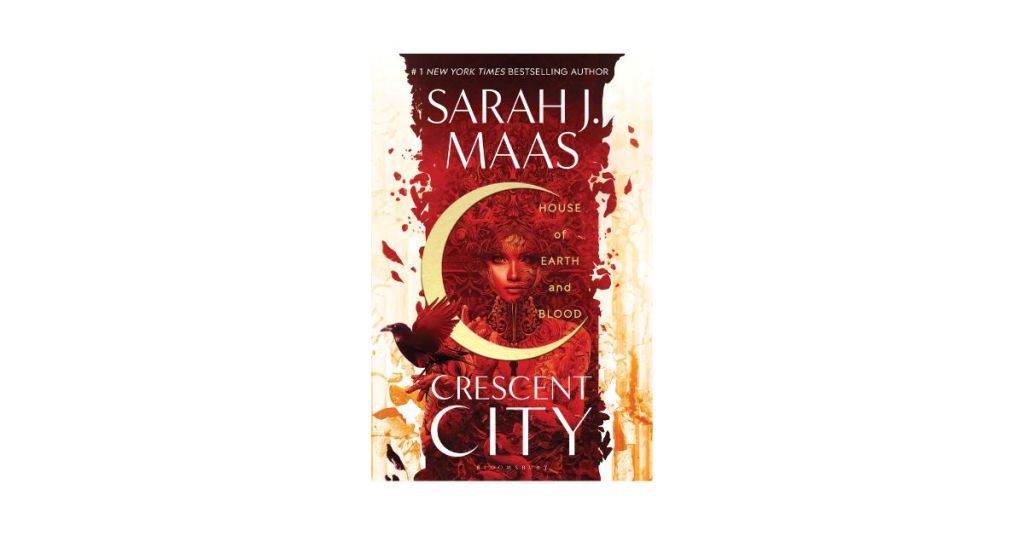
What happens when you give every imaginable mythical creature modern day technology and add a dash of smut? A #1 New York Times bestseller.
Sarah J Maas’ “House of Earth and Blood” is a journey into a realm where every creature coexists in a complex, urban fantasy landscape. Vampires, fae, angels, demons, mermaids, witches, sprites, chimera, werewolves and a plethora of others populate the vibrant city of Crescent City, creating a metropolis of magic, mystery, and mayhem.
The story follows Bryce Quinlan, a half-fae, half-human party girl, who finds her life shattered when a demon brutally murders her closest friends. As she becomes entangled in the investigation, Bryce teams up with Hunt Athalar, a notorious fallen angel seeking freedom. Together, they uncover a dark power threatening everything they hold dear, while navigating a blazing romance that could set them both free.
The world of Crescent City, with its blend of modern sensibilities and fantasy elements, is vast and complex. While the initial introduction to the world may be slow-going, once readers become acquainted with the setting and characters, the narrative becomes irresistibly immersive.
One of the most interesting elements of the novel is the incorporation of contemporary technology. While some may think it’s jarring to read about an angel using a smartphone, microwave, and the internet, Maas smoothly incorporates the technology into the world.
Maas’ strength lies in her ability to create multi-dimensional characters. Bryce is a refreshingly flawed and relatable protagonist who undergoes significant growth throughout the book. Starting at the beginning of the novel, Bryce’s journey is one of self-discovery and resilience. Her character challenges stereotypes, addressing issues like body image, casual sex, and societal expectations with rare ease. Despite her flaws and self-sacrificing tendencies, Bryce is a character readers will grow to adore.
The supporting cast is equally well-crafted, each with their own motivations and secrets that add layers to the overarching plot. Each member of the ensemble cast brings a unique perspective, and their individual arcs contribute to the overall narrative, making the journey through Crescent City all the more engaging and immersive.
While Maas’ detailed writing style makes for well-developed characters, it confuses readers regarding the setting. The novel’s extravagant worldbuilding, while fascinating, is overwhelming, especially in the initial chapters. The intricate details of the city and its inhabitants are extensive, requiring patience to fully grasp the depth of the narrative. The sheer abundance of mythical creatures feels staggering and risks overshadowing the plot.
Though the vast worldbuilding may be confusing, it creates a backdrop that allows many interesting places for the characters to explore. This allows the novel to embrace a sense of fantastical adventure that offers something for every type of fantasy reader. From the gothic Bone Quarter and the shady Meat Market to the underwater palace of the Istros River and the enchanted Moonwood Forests, the book encompasses everything a fantasy enthusiast could want.
The romance in “House of Earth and Blood” is as captivating as the fantasy elements. The dynamic between Bryce and Hunt adds a layer of tension and passion to the story. Maas seamlessly integrates moments of tenderness and connection, allowing the romance to develop organically amidst the high-stakes backdrop of the murder investigation. As the characters navigate their own scars and insecurities, the love story becomes a thread that keeps readers hooked throughout the novel.
While romance is at the front of the book, Bryce’s grief for her friends is present throughout the entire story. Maas’ portrayal of grief is both poignant and profound. Bryce’s journey becomes a visceral exploration of pain, anger, and the relentless pursuit of justice. Maas does not shy away from the messy, unpredictable aspects of mourning, allowing the reader to witness the protagonist’s struggle with the overwhelming weight of sorrow.
Through vivid prose and nuanced character development, the novel not only portrays grief as a powerful force but also delves into the transformative potential that can emerge from the depths of loss.
Maas skillfully balances the intense, dark, and emotional scenes of grief with lighter, everyday moments, allowing the characters to breathe and relationships to develop organically. By contrasting moments where the characters are fighting for their lives with scenes where they are eating pizza while watching a game on Bryce’s couch, Maas creates a dynamic, realistic feel to the story.
While “House of Earth and Blood” may be slow to start, the payoff is worth it. With its blend of urban fantasy, diverse characters, and colorful writing, Maas’ series is sure to entertain for the books to come.
 meganbrownwrites.com
Leave a comment